


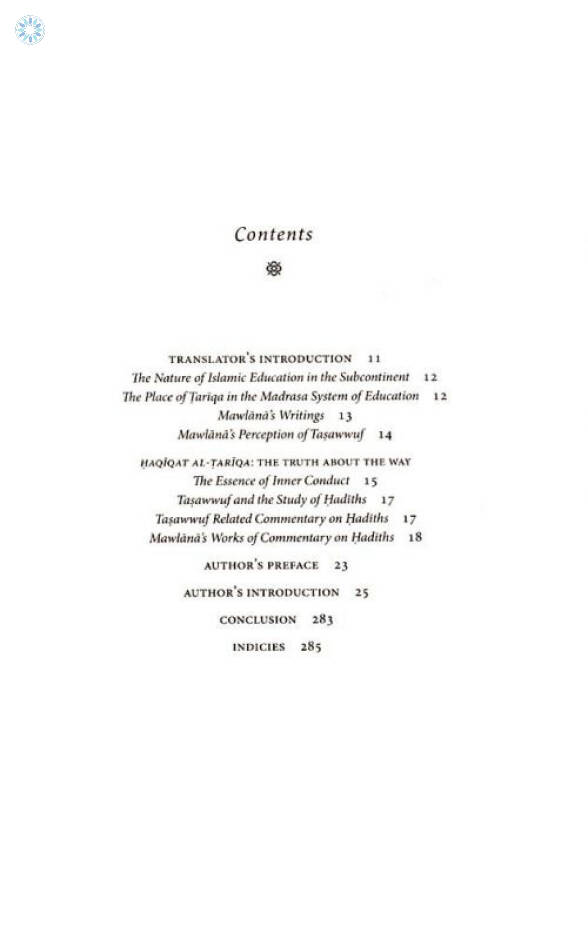
A Sufi Study of Hadith
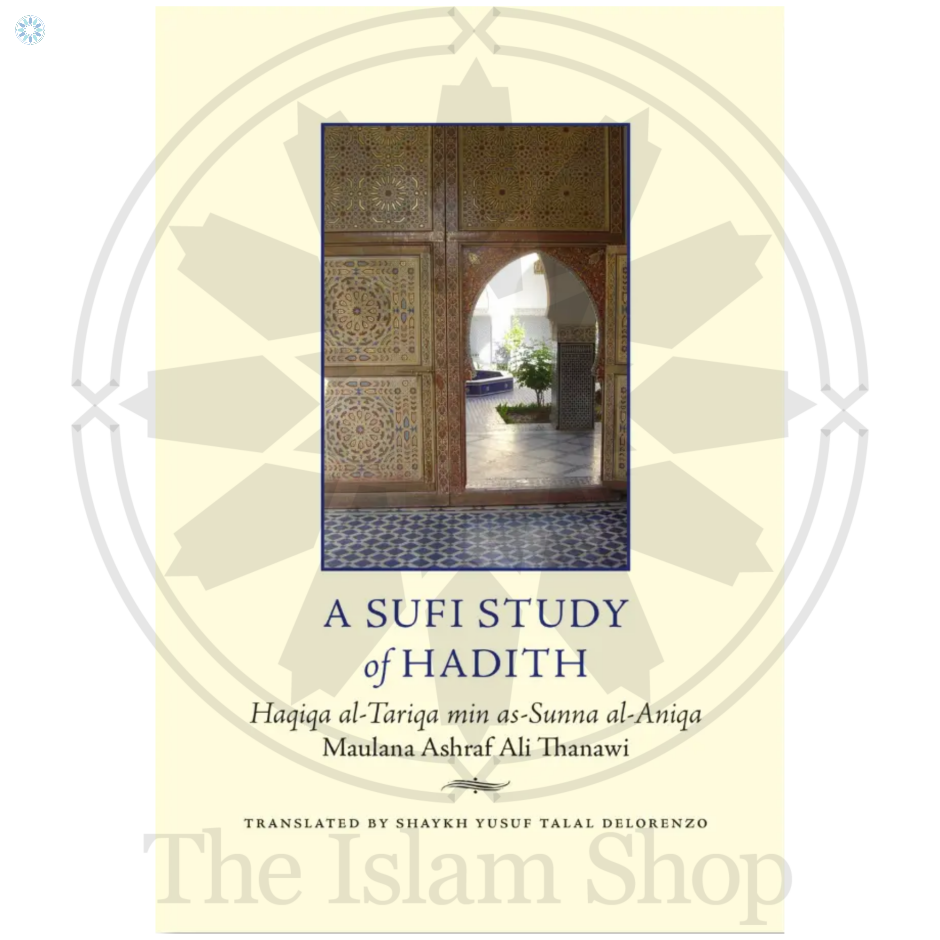
A Sufi Study of Hadith
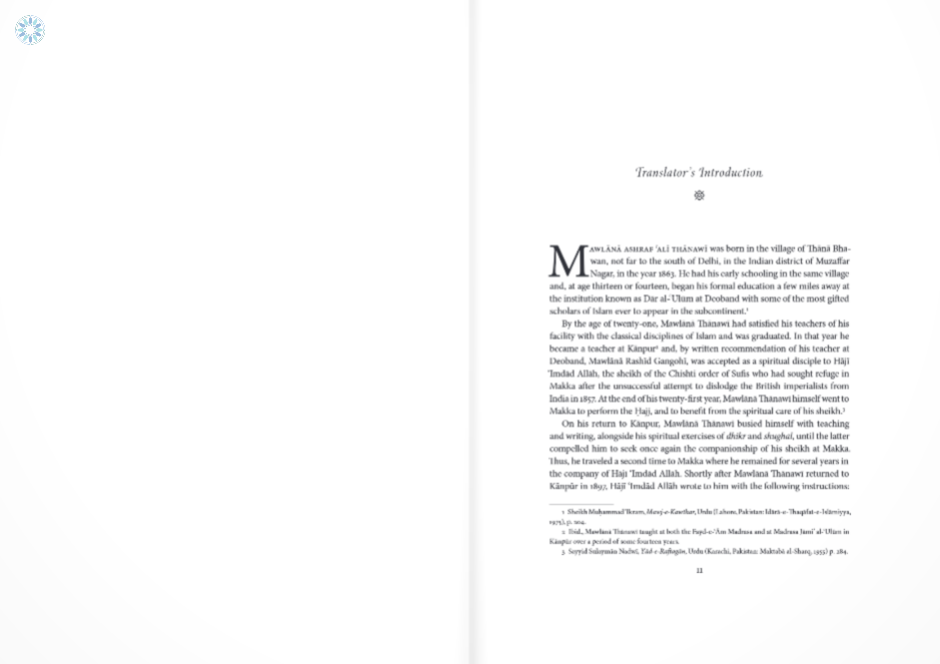
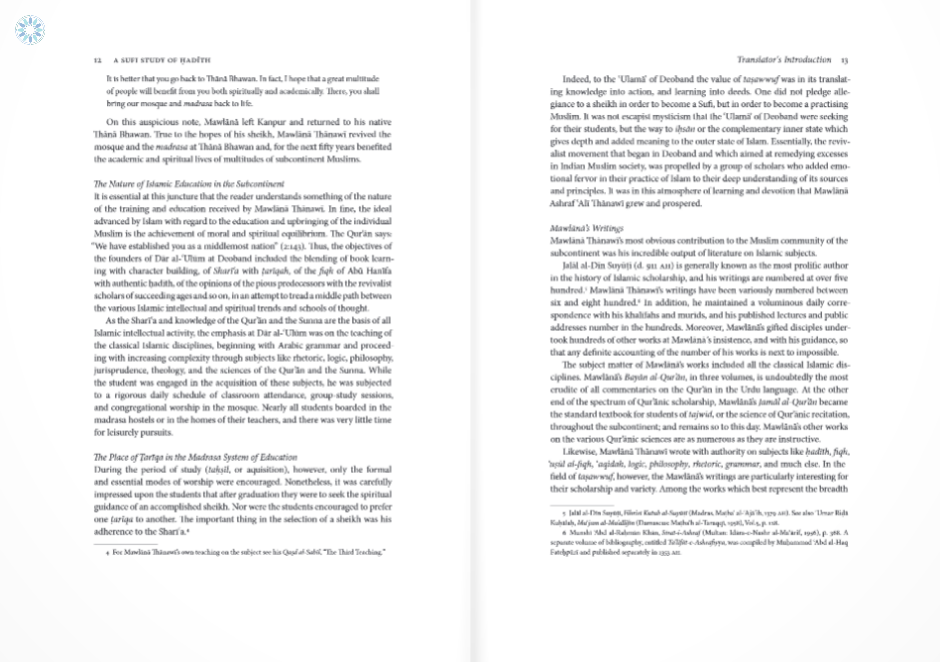
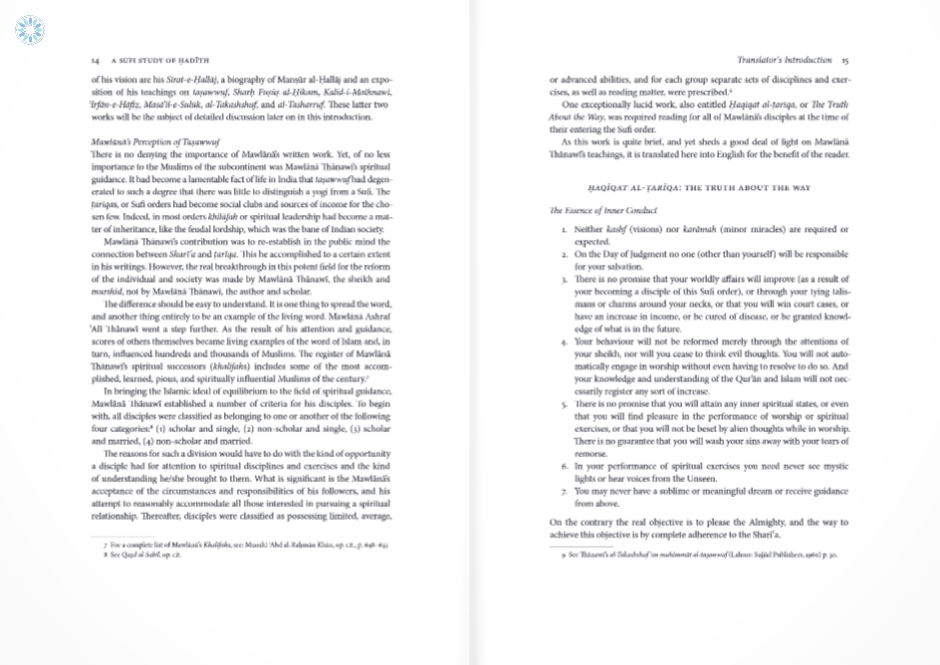
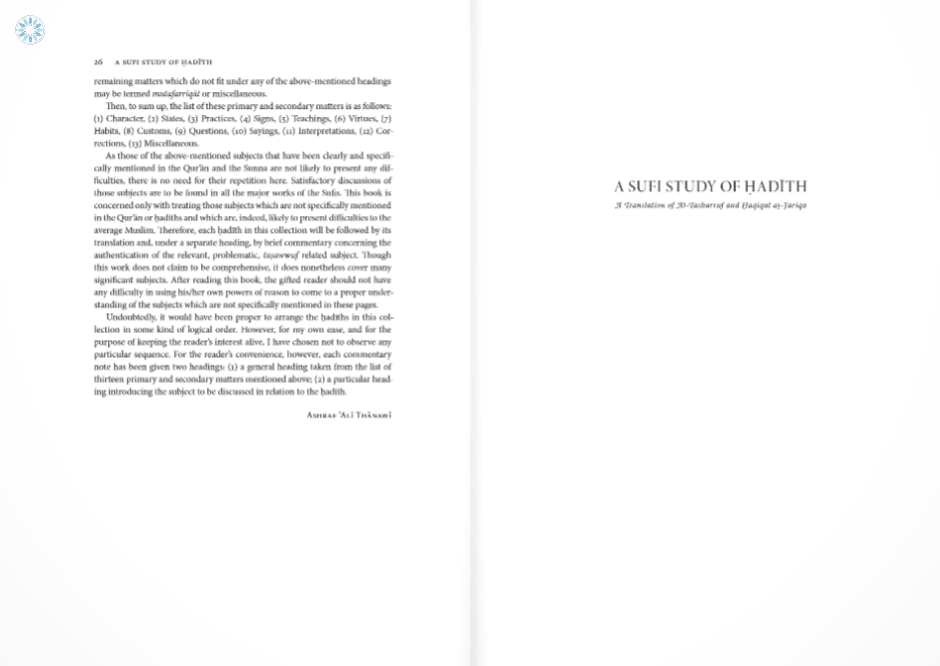
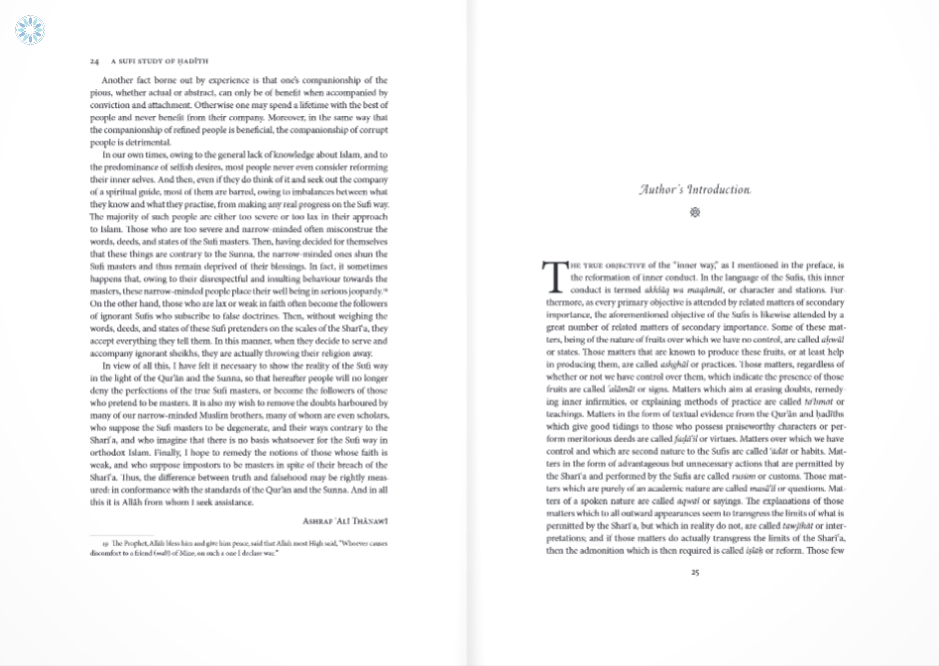
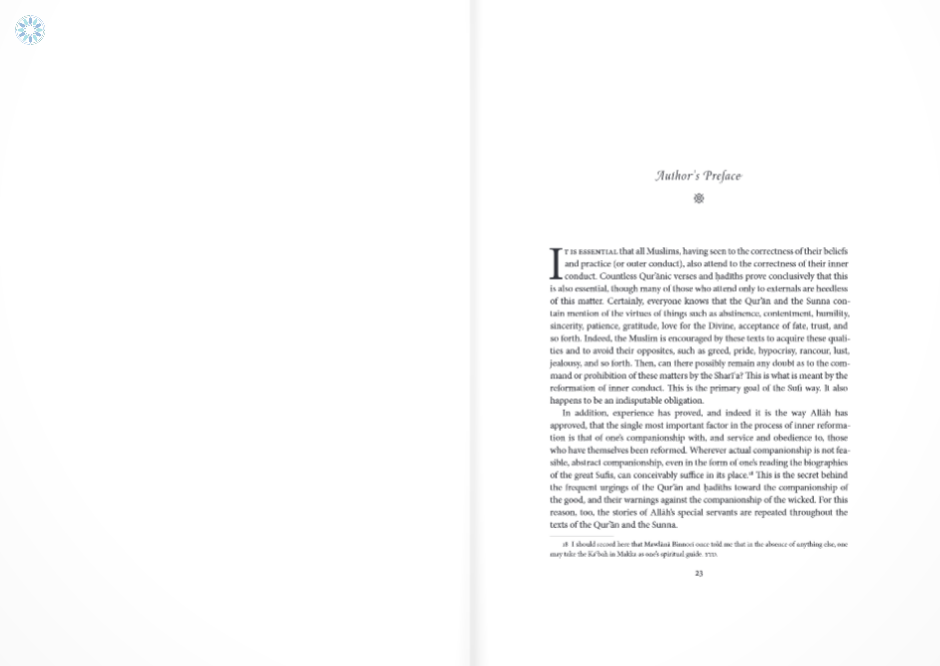
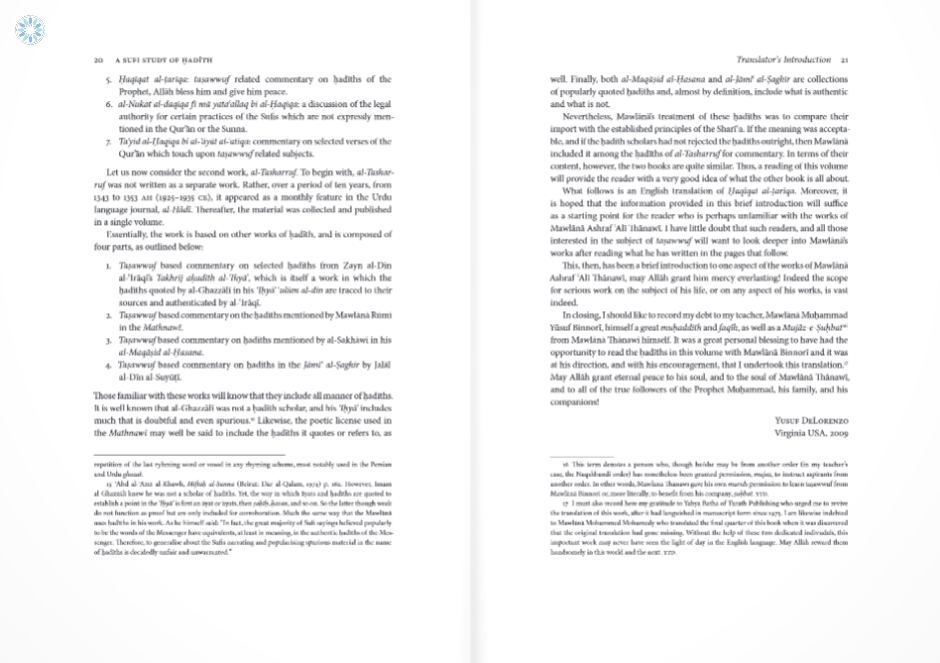
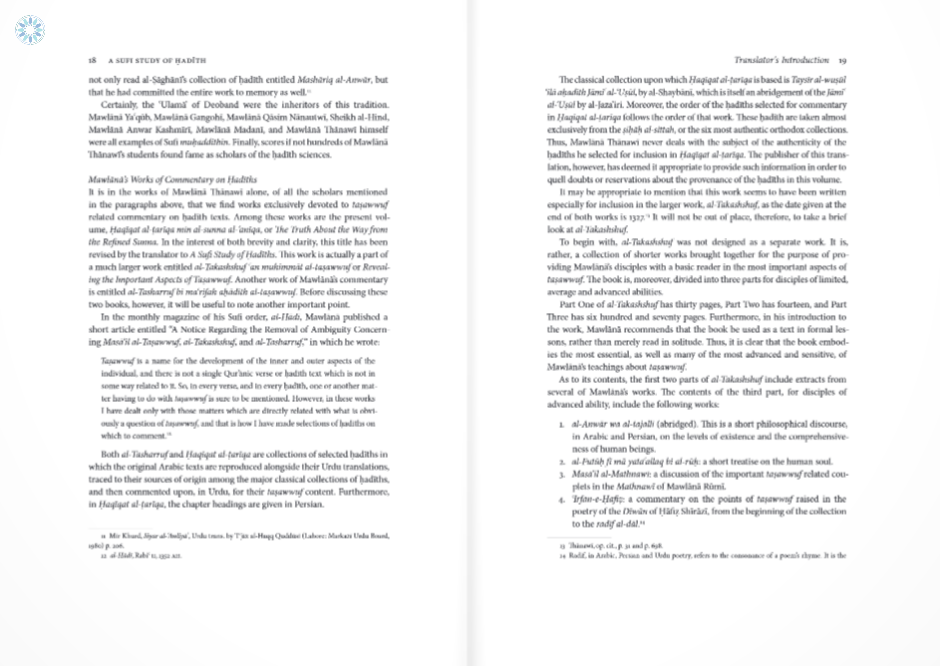
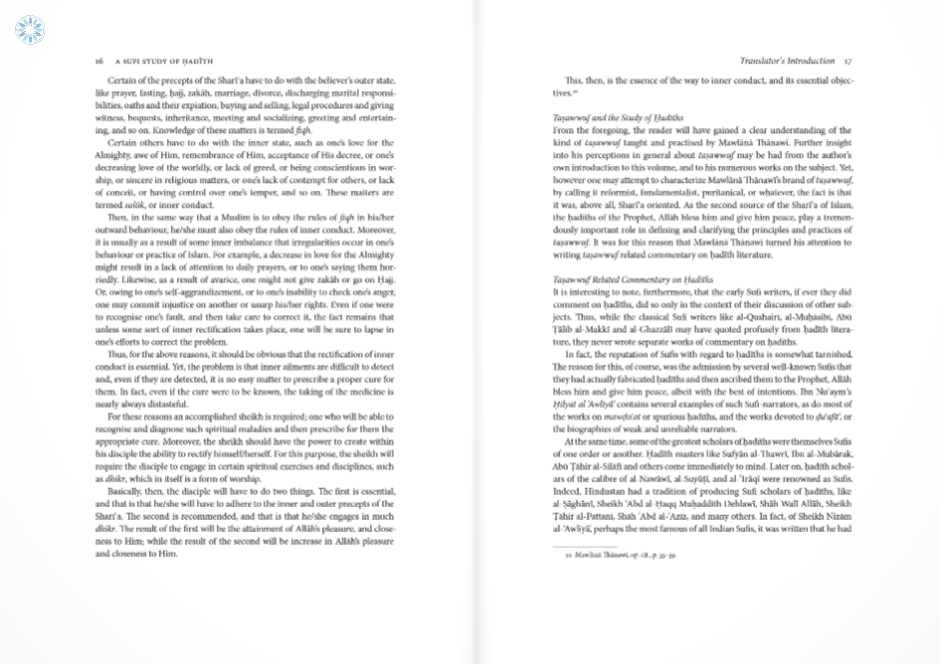
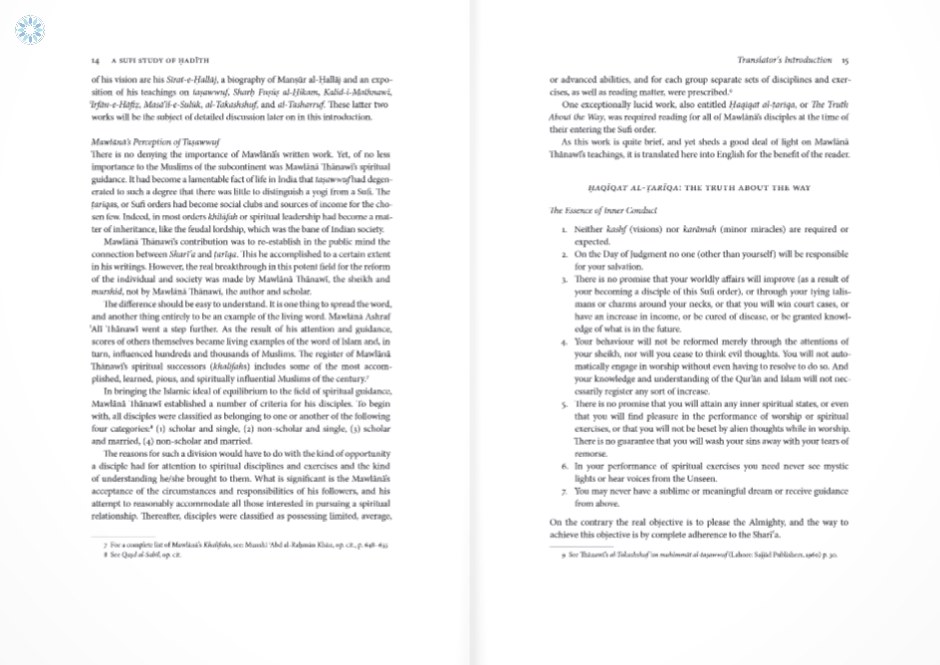
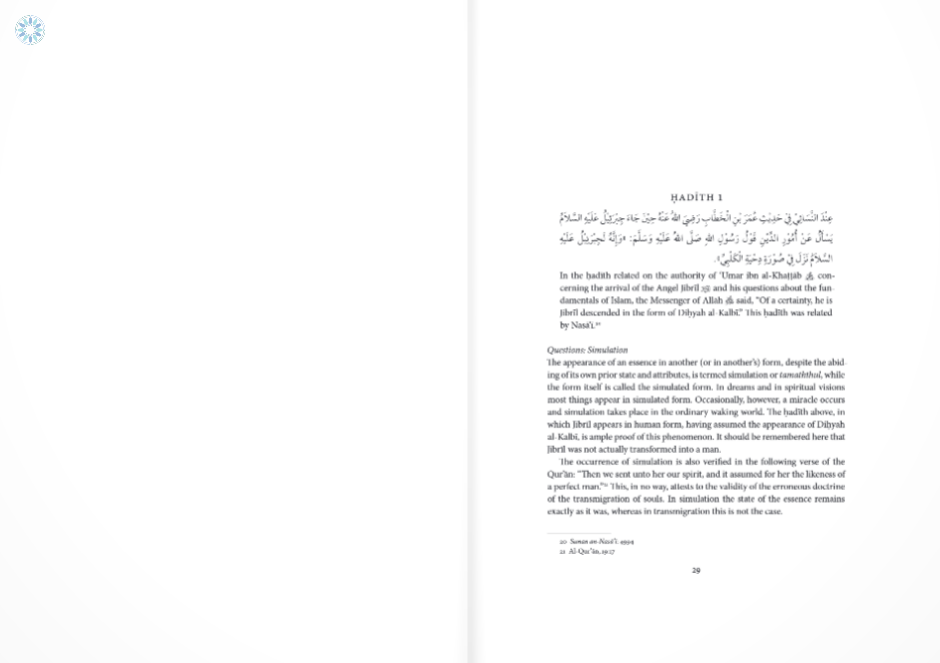
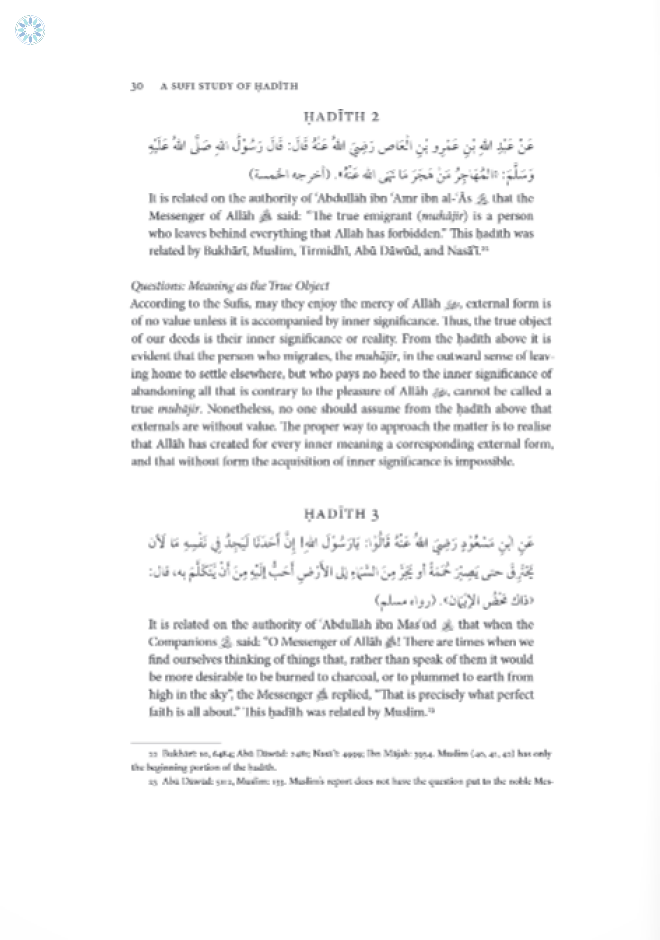
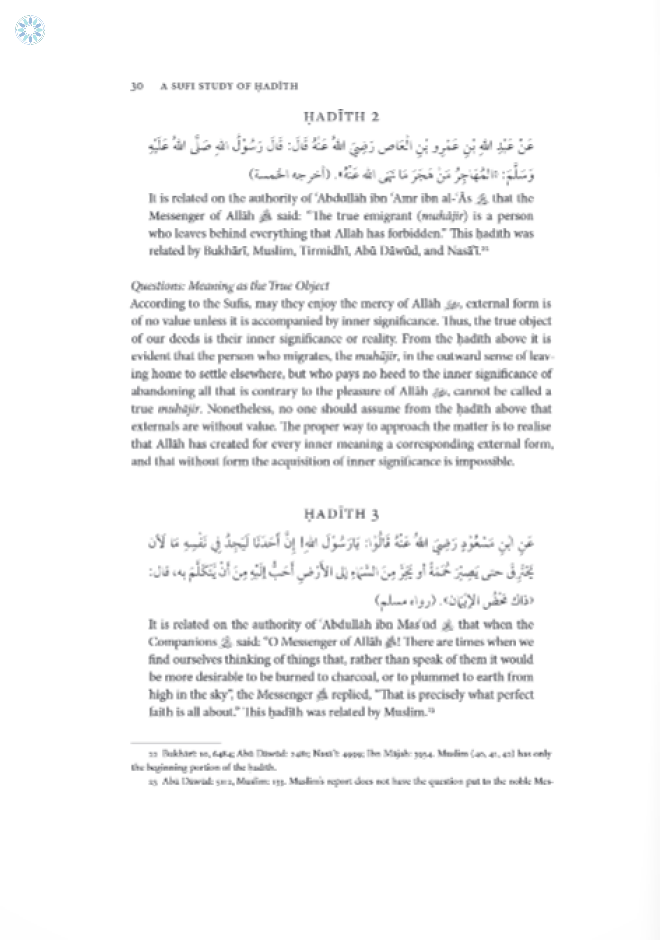
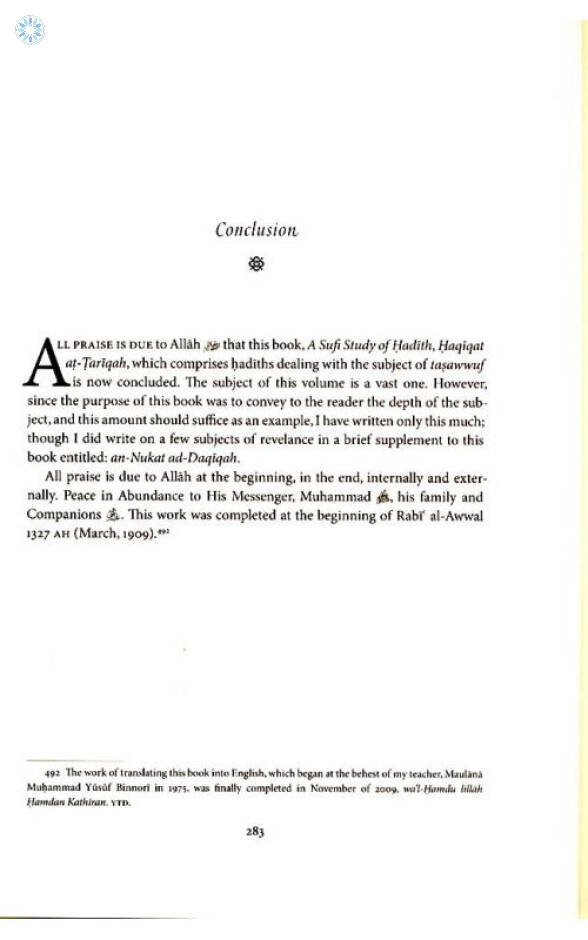
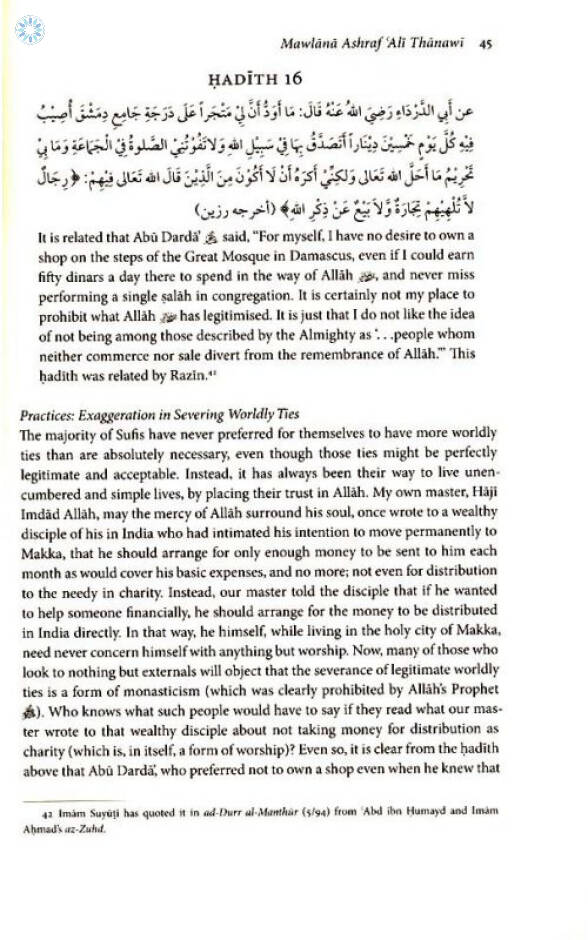
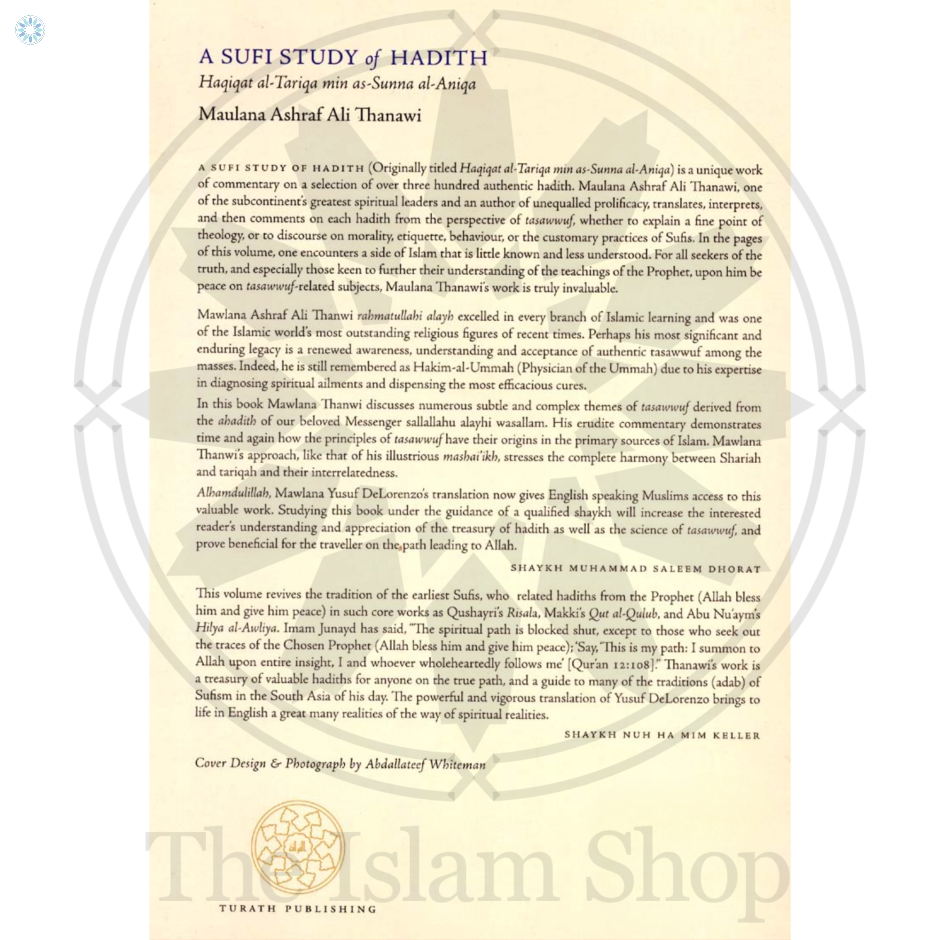
A Sufi Study of Hadith (Originally titled Haqiqa al-Tariqa min as-Sunna al-Aniqa)* is a deeply enriching and spiritually transformative work that bridges the timeless teachings of Hadith with the inner sciences of Tasawwuf (Sufism). Authored by the illustrious scholar Ashraf Ali Thanwi, this masterpiece offers a rare and insightful exploration into over 300 authentic hadith, carefully selected, translated, and interpreted through a Sufi lens.
Renowned as Hakim al-Ummah (Physician of the Ummah), Thanawi (rahmatullahi alayh) was a towering figure in Islamic scholarship, celebrated for his ability to diagnose spiritual ailments and prescribe practical, faith-based remedies. In this book, he delves into profound themes such as Islamic spirituality, moral refinement, etiquette, and character development, all rooted firmly in the teachings of the Prophet Muhammad (peace and blessings be upon him).
This exceptional English translation by Yusuf Talal DeLorenzo opens the doors for a wider audience to access this classical treasure. The work beautifully demonstrates the harmony between Shariah (Islamic law) and Tariqah (spiritual path), reaffirming that true Sufism is inseparable from the Qur’an and Sunnah.
Drawing inspiration from classical Sufi texts like Al-Risala al-Qushayriyya, Qut al-Qulub, and Hilyat al-Awliya, this volume revives a rich tradition of connecting hadith with inner purification. Echoing the words of Junayd of Baghdad, the book emphasizes that the spiritual path is illuminated only through sincere adherence to the Sunnah.
Why You Need This Book:
- Authentic Hadith Commentary – Over 300 rigorously selected hadith explained with depth and clarity
- Spiritual Growth & Self-Purification – Practical insights into refining the heart and soul
- Tasawwuf Explained – Understand the true essence of Sufism rooted in Qur’an and Sunnah
- Accessible English Translation – Ideal for English-speaking readers seeking deeper Islamic knowledge
- Scholarly Yet Practical – Perfect for students, seekers, and anyone on the path to Allah
Highly recommended by scholars such as Muhammad Saleem Dhorat, this book is not just a read—it’s a journey into the heart of Islamic spirituality.
Whether you are a student of knowledge, a seeker of truth, or simply looking to strengthen your connection with Allah, A Sufi Study of Hadith is an essential addition to your Islamic library.
Order now and take a meaningful step toward understanding the beauty of Hadith and the depth of Tasawwuf.
About The Author
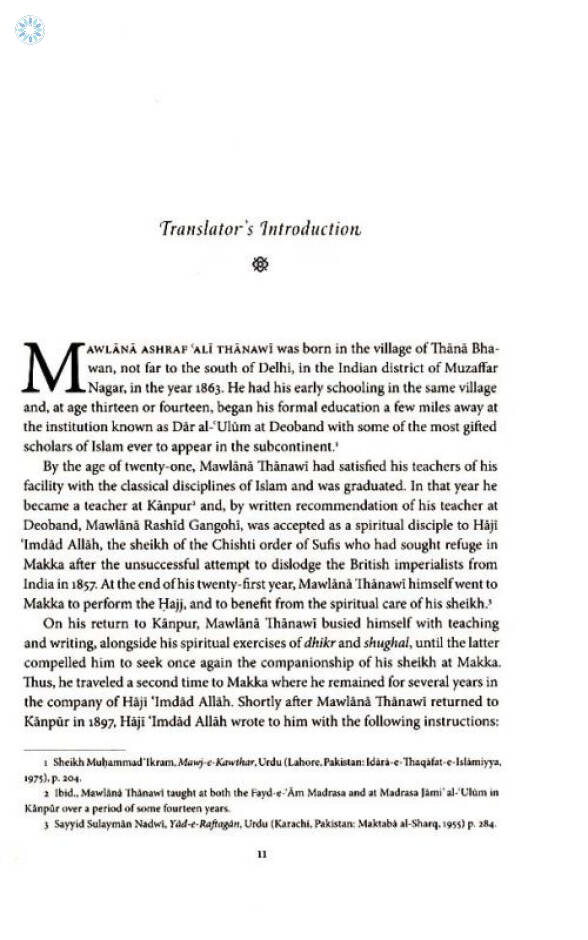
Mawlana Ashraf ‘Ali Thanawi, referred to by many South Asian Muslims as Hakim al-Umma (“Spiritual Physician of the Muslim Umma”) and Mujaddid al-Milla (“Reformer of the Nation”), is a towering figure of Islamic revival and reawakening of South Asia in the twentieth century. Mawlana Thanawi was the “most eminent religious figure of his time, a prolific author, and believed to be the greatest Sufi of modern India.”
“He led a very active life, teaching, preaching, writing, lecturing, and making occasional journeys” (Naeem 94). The distinguishing mark and guiding principle that led to the vast success of his message was a remarkable sense of balance and straightforwardness in his speeches and writings. Mawlana Thanawi was an exemplar of the Qur’anic verse “And thus have We made you a nation justly balanced, that you might be witnesses over mankind” (Qur’an 2:143). An astounding, comprehensive knowledge of all branches of Islamic learning was evident in his personality, explicated in his lectures, and recorded in his writings. The Indian jurist Qadi Mujahid al-Islam Qasimi said, “It is hard to think of an area of Islamic sciences left unattended by his writings” (Zayd 11).
His religious approach encompasses all aspects of the subject under discussion, and his viewpoints on different issues reflect a genuine, thorough examination of traditional Islamic thought. His acute intelligence, revolutionary method of training and teaching, love of Allah and His Messenger (Allah bless him and give him peace), organized management of time, broadmindedness, tolerance, and unique and fresh, yet conservative, understanding of religious disciplines has etched him a permanent place in Islamic history.
He will be remembered as a reformer of the masses, an exemplary spiritual guide (shaykh), a prolific author, a spiritual jurist, an intellectual sage, and a fortifier of Islamic tradition who, at a time when Muslims were physically and intellectually attacked by Western colonial powers, supplied them with literary and academic firepower in the form of his speeches, writings, legal verdicts (fatawa), and spiritual training (tarbiya) to battle all irreligious influences of the Modern Age. Describing the great religious services and endeavours of Mawlana Thanawi, Mufti Muhammad Taqi ‘Uthmani writes, “The likeness of his accomplishments is not found in many preceding centuries” (Hakim al-Ummat ke siyasi afkar 22).
About The Publisher
Information Coming Soon
Additional Product Information
- ISBN 13: 978-190694-90-44
- ISBN: 10: 1906949044
- ISBN: 9781906949044
- ISBN 1: 9781906949044
- UPC: 9781906949044
- SKU 1: TIS-ASSOH-715
- SKU 2: TIS
- SKU 3: 9781906949044
- SKU 4: 9781906949044
- MPN: 9781906949044
- ASIN: 9781906949044
- EAN: 9781906949044
- REF.NO: REF-ASSOH-715
- Author: Hakim al-Umma Mawlana Ashraf Ali Thanwi
- Edited and illustrated By: Shaykh Yusuf Talal Delorenzo
- Translated & Annotated By: Shaykh Yusuf Talal Delorenzo
- Publisher: Turath Publishing
- Imprint: White Thread Press
- Publication Date: 1 January 2010 / 15 Muharram 1431 AH
- Impression / Edition: First
- Cover: Paperback / Softcover / Paperboard / Softbound
- Format: Paperback / Softcover / Paperboard / Softbound
- Binding: Paperback / Softcover / Paperboard / Softbound
- Pages: 297
- Dimensions: 22.8 x 16.5 cm Approx
- Weight: 505g Approx
- Digital Bank:
- Age Range (Suitable Ages) 12 + Years
Share
You may also be interested in
-
 Prophet Of Mercy Nabiyy-i Rahmat
This book is an English translation of as-Sirat an-Nabawiyyah; a scholarly and thoroughly researched Arabic work of Shaykh Abul-Hasan Ali Nadwi (May Allahs Mercy be upon him). However the title has been taken from t...
£14.00 -
The Noble Qur'an Translation - The Standard Edition Meaning with Explanatory Notes
Meticulous attention and care have been taken to prepare this new edition of The Noble Qur’an: With meaning and explanatory notes by Mufti Muhammad Taqi Usmani. This unique copy is available in two formats, the stan...
£15.00 -
A day in the life of the Beloved ﷺ
Discover A Day in the Life of the Beloved ﷺ, an inspiring Islamic book exploring the Prophet's ﷺ daily routine through authentic narrations and timeless guidance.
£35.00 -
Bahishti Zewar (English)
£2.75
-
Athar as-Sunan
Athar as-Sunan: Traditions of the Sunnah. The Book of Proofs For Purification and Prayer. In this classic work Allamah an-Nimawi relates fiqh rulings particularly those of the Hanafi madhhab to their source Hadit...
£15.00 -
Ascent to Felicity A Manual on Islamic Creed and Hanafi Jurisprudence
Written by the eminent 11th century Hanafi scholar, Abu ’l-Ikhlas al-Shurunbulali, Ascent to Felicity is a concise yet comprehensive primer in creed and jurisprudence. It spans all five pillars of Islam, as well as...
£10.00 -
Living as a Muslim
Allah (swt) has declared in the Qur’ān: ﴾O you who believe, obey Allah and obey the Messenger…﴿ (4:59). Accordingly, Islamic religious life is based on the instructions of the Qur’ān and the authentic Sunna. This tr...
£6.99 -
A Tentative Guide to Islamic Invocations
This is a rich personal selection of invocations by the esteemed author, all of which are either attributed to the Prophet Muhammad (Allah bless him and give him peace) or to his immediate Companions. In other words...
£6.99 -
Jamaal Ul Qura'an
Knowing the Makhraj and Sifaat of each letter is an important part of Tajweed. ... So, if a person does not know the attributes of each letter, he may change the meaning of the words in Qur'an recitation. Observing...
£3.50 -
Gateway to the Qur'anic Sciences Based on al-Itqān fī ʿUlūm al-Qurʾān
Allah describes the Qurʾān as the ‘guidance to mankind, and the Criterion (of right and wrong)’ (2:185). Islamic scholars have therefore sought to explain the sciences associated with correctly understanding the rev...
£4.50 -
Qawa'id Fi Ulum al-Hadith (Principles of Hadith)
The importance of hadith as the basis of Islamic law, theology and ethics cannot be underestimated. Alongside the Quran it constitutes the second source for Islamic shariah and ones practice. While no Muslim will ch...
£10.00 -
The Muwatta of Imam Muhammad
Imam Malik composed the Muwatta over a period of forty years to represent the well-trodden path of the people of Madina. Its name also means that it is the book that is many times agreed upon about whose contents th...
£13.00 -
The Creed of Imam Bayhaqi
Allah (swt) says in the Qurʾān ﴾Say: We believe in Allah and what has been sent down to us﴿ (2:136). Therefore it is understood by the scholars of Islam that the ‘first obligation’ for a responsible adult is to know...
£9.99 -
An Introduction to Sahih al-Bukhari
Ṣaḥīḥ al-Bukhārī is unsurprisingly the most widely recognized book among Muslims after the Qurʾān. Curious readers of Bukhārī’s magnum opus are often left with burning questions that lie beyond its contents. Who was...
£4.50 -
Huma’s Travel Guide to Islamic Spain
A unique, dynamic, sophisticated Muslim culture flourished in Spain between 711 and 1492 CE, leaving us with some of the world’s most breathtaking works of architecture, such as Cordoba’s Mezquita and the Alhambra o...
£9.00 -
Ageless Qurʾan Timeless Text A Visual Study of Sura 17 Across 14 Centuries & 19 Manuscripts
Muslims do not doubt that the Holy Qurʾan is the unadulterated Word of Allah, a Book that has remained pure and free from change or distortion ever since it was revealed. Ageless Qurʾan Timeless Text provides a vis...
£45.00
.png|/storage/40d70595_Prophet Of Mercy Nabiyy-i Rahmat (1).png)
.png|/storage/40da0599_The Noble Qur'an Standard (4).png)
.png|/storage/40d20595_A day in the life of the Beloved ﷺ (3).png)

.png|/storage/40da059b_Athar as-Sunan Traditions of the Sunnah. The Book of Proofs For Purification and Prayer (2).png)
.png|/storage/40d70598_Ascent to Felicity A Manual on Islamic Creed and Hanafi Jurisprudence (3).png)


 (4).png|/storage/40d30596_Qawa'id Fi Ulum al-Hadith (Principles of Hadith) (4).png)
.png|/storage/40d60595_The Muwatta of Imam Muhammad (3).png)
.png|/storage/40bc058a_The Creed of Imam Bayhaqi (3).png)
.png|/storage/40d90599_An Introduction to Sahih al-Bukhari (1).png)
.png|/storage/40cf0593_Huma’s Travel Guide to Islamic Spain (3).png)